2026-09-02 · Scott Pendleton
Wildfire Smoke Damage vs Structure Fire Damage in El Paso County
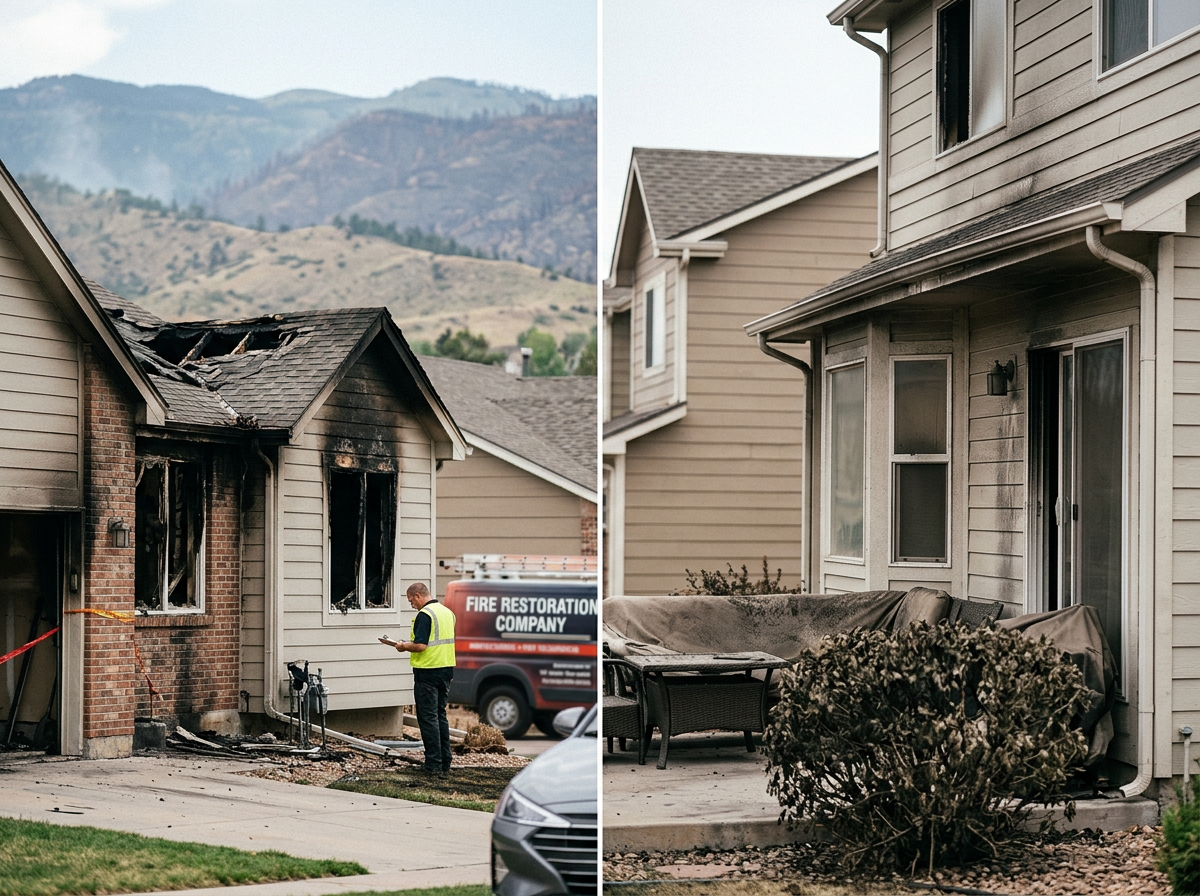
Wildfire smoke damage in El Paso County typically penetrates deeper into HVAC systems and porous materials than smoke from structure fires because dry air at 6,035 ft keeps particulates airborne longer, allowing infiltration without any direct flame contact. Structure fires, by contrast, combine smoke with large volumes of suppression water that soaks insulation, drywall, and flooring. The Waldo Canyon Fire in 2012 destroyed 346 homes while the Black Forest Fire in 2013 destroyed 489 homes, yet many nearby properties experienced smoke-only issues that required targeted cleaning rather than full rebuilds.
Smoke Movement Through Homes in Wildfire Events
Wildfire smoke enters structures primarily through attic vents, HVAC intakes, and small gaps around windows and doors when no part of the building burns. At elevation the thinner air and low humidity allow fine particles to remain suspended and travel miles from the fire line into neighborhoods across El Paso County. Once inside, the smoke follows ductwork and settles into insulation, carpet pads, and upholstered furniture. Homeowners often notice a persistent odor days after the fire passes because the particles have lodged in places that normal cleaning does not reach. Smoke damage restoration addresses these hidden deposits by using air filtration and targeted surface cleaning rather than demolition.
Residue Characteristics at Local Elevation
Smoke residue from wildfires tends to be lighter and more acidic than residue from structure fires because the fuel is mostly vegetation rather than household contents. The 6,035 ft elevation changes combustion temperatures and leaves a finer, oilier film that bonds readily to cool surfaces such as glass, metal appliances, and painted walls. In contrast, structure-fire soot is heavier, often contains plastics and synthetic materials, and creates a thicker layer that can be wiped away more easily in some cases. Both types of residue can discolor surfaces permanently if not removed within the first 48 hours, but wildfire particles require more attention to ductwork and attic spaces where they accumulate without visible charring on the exterior.
Added Impact of Suppression Water
Structure fires in El Paso County almost always involve fire department water that saturates ceilings, walls, and subfloors, creating conditions for mold growth within 24 to 48 hours if drying is delayed. This water mixes with smoke particles to form a corrosive sludge that damages wiring, cabinets, and flooring. Wildfire smoke events rarely include this water component unless firefighters wet down surrounding vegetation. The combination of smoke and water in a structure fire therefore extends the restoration timeline and often requires separate water damage cleanup after fire before odor removal can begin. Homeowners who experienced only smoke infiltration avoid this secondary moisture damage but still face the challenge of cleaning every porous surface the smoke reached.
Insurance Handling of the Two Damage Types
Colorado insurance policies treat wildfire smoke claims differently from structure fire claims because the cause of loss is recorded as smoke rather than direct flame. Many carriers require documentation that shows smoke entered through normal openings rather than through burned openings in the building envelope. Does homeowners insurance cover smoke damage in Colorado? explains how adjusters evaluate these distinctions and what documentation helps support a claim. Policyholders should photograph HVAC filters, attic insulation, and any discoloration on light-colored surfaces before cleaning begins so the scope of work matches the actual infiltration pattern.
Practical Assessment Steps After Either Event
Begin by running the HVAC system on fan-only for 15 minutes with windows open to move settled particles, then shut the system down until filters are replaced. Inspect duct registers for gray or brown film and check attic insulation for odor. Photograph every affected room and note whether water was used during firefighting. If the odor remains after basic surface wiping, professional cleaning of ducts and contents is usually needed. Smoke odor in drywall and HVAC ducts: what actually removes it outlines the equipment and sequence that removes embedded particles without unnecessary demolition. Focus first on items that cannot be replaced, such as family photographs and important documents, before addressing cosmetic surfaces.
Track restoration progress by testing air quality with a simple particle counter or by noting whether the odor returns after windows have been closed overnight. Keep records of every step taken and every contractor who enters the property. This documentation supports both insurance filings and future decisions about whether additional cleaning or replacement is required.